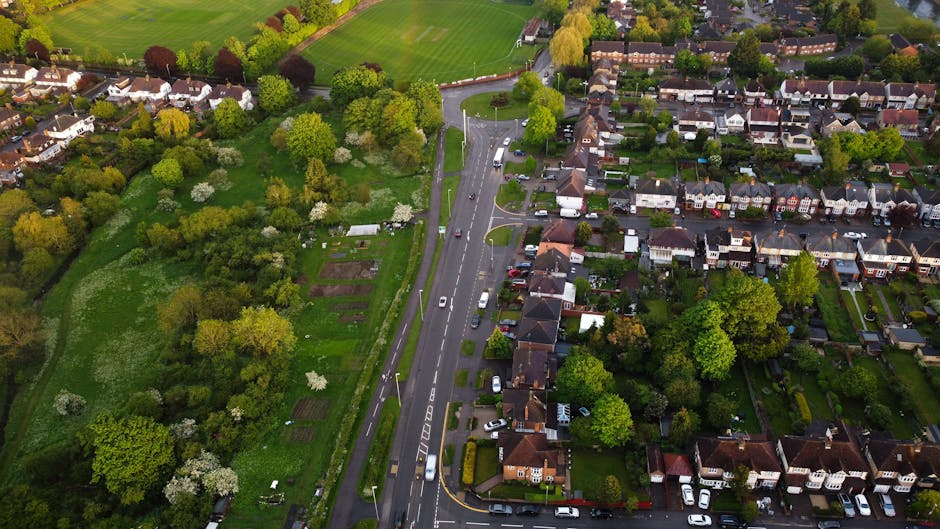
West Heath Road garden clearance guide by local gardeners
If your outdoor space has tipped from "a bit untidy" into full-on jungle mode, you are not alone. A proper West Heath Road garden clearance guide by local gardeners helps you clear overgrowth, remove waste, and bring back a garden you actually want to use. In West Heath, gardens can pick up brambles, ivy, fallen leaves, and stubborn self-seeded growth faster than many people expect, especially after a wet spell or a long stretch of neglect. The good news? A structured clearance plan makes the job feel manageable, even if the garden currently looks like it might bite back.
This guide explains what garden clearance involves, how local gardeners approach it, what to watch out for, and when it makes sense to bring in extra help. You'll also find a practical checklist, a useful comparison of clearance options, and a few local-service links if you want to take the next step. Let's face it, a garden should feel like part of the home, not a source of dread.
Table of Contents
- Why West Heath Road garden clearance matters
- How garden clearance works
- Key benefits and practical advantages
- Who this is for and when it makes sense
- Step-by-step guidance
- Expert tips for better results
- Common mistakes to avoid
- Tools, resources and recommendations
- Law, compliance, standards and best practice
- Options, methods and comparison table
- Case study or real-world example
- Practical checklist
- Conclusion
- Frequently asked questions
Why West Heath Road garden clearance guide by local gardeners Matters
Garden clearance is more than "having a tidy-up." Done well, it protects planting areas, restores access, improves light and airflow, and removes the hidden problems that make a garden harder to manage later. That matters on West Heath Road, where many gardens have a mix of mature shrubs, boundary growth, hard landscaping, and small pockets that can become crowded surprisingly quickly.
When a garden is left too long, the issues tend to stack up: weeds set seed, ivy climbs into awkward places, hedge lines blur, patios get slippery, and the lawn starts to thin out under shade or debris. The longer you leave it, the more the job shifts from "clearance" to "recovery." There's a difference, and local gardeners know it well.
There's also the practical side. A cleared garden is easier to mow, easier to maintain, and much easier to plan around if you want to add new planting, seating, or fencing later. If you are thinking about a bigger refresh after the clear-out, a look at local landscaping support in West Heath can help you see what comes next.
Expert summary: The smartest garden clearance is not just about removing mess. It is about reopening space, protecting healthy plants, and making the garden easier to look after for months after the work is done.
How West Heath Road garden clearance guide by local gardeners Works
Local gardeners usually approach clearance in stages rather than trying to hack everything back in one go. That sounds obvious, but it is the difference between a garden that looks stripped out and one that looks intentionally reset. The process normally starts with a walk-through, a look at access points, and a quick decision on what stays, what goes, and what needs careful handling.
In a typical West Heath Road garden clearance, you can expect a mix of the following tasks:
- Removing loose waste, fallen branches, and dead material
- Cutting back overgrown shrubs, climbers, and brambles
- Clearing weeds from beds, paths, and hard surfaces
- Sorting compostable material from heavier green waste
- Dealing with ivy, invasive growth, or self-seeded saplings
- Making safe access around fences, sheds, patios, and lawns
- Loading and removing waste responsibly
Sometimes the job is straightforward. Other times there's a hidden layer of work underneath, like tangled roots, compacted soil, broken edging, or a hedge that has quietly taken over half the border. In those cases, local gardeners often pair clearance with hedge trimming, tree surgery, or even patio cleaning if the hard surfaces need attention too.
If you want ongoing help after the initial tidy-up, a regular garden maintenance plan is often the sensible next step. Not glamorous, maybe, but very effective.
Key Benefits and Practical Advantages
There are some very obvious benefits to garden clearance, but the less obvious ones often matter more in the long run. A good clearance makes the space feel bigger, yes, but it also changes how the whole garden functions day to day. You notice it when you step outside and can actually see the lines of the space again.
- Better access: Paths, borders, and gates become usable again.
- Healthier planting conditions: Light and airflow improve around shrubs and beds.
- Less pest shelter: Dense debris and unmanaged corners can attract unwanted visitors.
- Lower maintenance load: Once growth is reset, routine care becomes easier.
- Improved safety: Fewer trip hazards, loose branches, and hidden obstacles.
- Better appearance: The garden looks cared for, even before any redesign begins.
For many people, the biggest benefit is psychological. A cluttered garden can become one of those tasks you keep avoiding because it feels too big. Once it is cleared, the whole place changes character. It is calmer. More usable. A little less noisy-looking, if that makes sense.
Clearance also helps you spot genuine problems. Rotten fence panels, drainage issues, pest damage, overgrown roots, and failing plants are much easier to see once the surface mess is gone. That is useful if you are considering boundary work such as fencing services or a more structured garden refresh.
Who This Is For and When It Makes Sense
Garden clearance is not only for neglected gardens, though that is a common reason. It also makes sense before a move, after winter, before a family event, after building work, or when an older garden simply needs resetting. Truth be told, many gardens on West Heath Road are tidy enough at a glance, but have one or two problem areas that are quietly spreading.
This guide is especially relevant if you are:
- Moving into a property with an overgrown outdoor space
- Trying to get a rental garden back to a manageable state
- Preparing a garden for landscaping, planting, or new furniture
- Dealing with ivy, brambles, nettles, or self-seeded saplings
- Struggling to keep on top of a lawn, hedge, or border that keeps getting away from you
- Looking for a one-off clearance before signing up for regular care
If the lawn is part of the problem, a clearance often works best alongside local lawn mowing or lawn care. If you are not sure where to start, start small. That is usually the honest answer.
And if you want general help rather than a single task, gardening services in West Heath can cover a wider range of needs without you having to coordinate everything piece by piece.
Step-by-Step Guidance
Here is a practical way to tackle garden clearance without losing the plot halfway through. It works whether you are doing some of the work yourself or briefing local gardeners to do the heavy lifting.
- Walk the garden slowly. Look for blocked paths, broken edging, dead growth, hidden bins, slippery areas, and anything thorny or unstable. Don't rush this. Five minutes here can save an hour later.
- Decide what is being kept. Mark shrubs, perennials, spring bulbs, or climbers you want to preserve. If a plant is precious, tag it or tie a visible ribbon around it.
- Set the clearance boundary. Are you clearing only the back border, or the whole garden? Be precise. Vague instructions create awkward results.
- Remove loose waste first. Bags, broken pots, fallen branches, and dead annuals come out before anything else. This opens up the space and makes the bigger work easier.
- Cut back overgrowth in layers. Start high, then work down. That way you can see the structure underneath rather than chopping blindly.
- Deal with weeds and invasive plants. Pull where possible, dig out roots if needed, and avoid leaving fragments of persistent growth behind. For ivy specifically, a focused approach matters; see these methods for tackling ivy.
- Rake, sweep, and gather. Once the main cutting is done, clean all paths, beds, and borders so the garden reads as finished, not half done.
- Sort waste for removal. Separate green waste, woody material, and reusable items where appropriate. This helps with loading and makes disposal cleaner.
- Do a final safety check. Look again for protruding nails, sharp sticks, uneven paving, or low branches before you call it complete.
If a garden is heavily congested, local gardeners sometimes work in "zones" rather than trying to clear everything at once. For example: front side return first, then the main border, then the rear fence line. It sounds almost too simple, but it keeps the work clear and prevents the common "where on earth did we put that pile?" moment.
Expert Tips for Better Results
Local experience matters here, because garden clearance is full of little judgement calls. Cut too hard and you stress plants. Cut too little and you still have a mess. The sweet spot is usually in the middle, with a bit of patience.
- Clear dry if you can. Wet growth is heavier, messier, and more likely to smear over paths.
- Work from the top down. It saves double handling and helps you see structure as you go.
- Leave some habitat where it is intentional. A perfectly stripped garden is not always the healthiest one.
- Protect root zones. Avoid digging aggressively around established shrubs unless you genuinely need to.
- Check boundary lines early. Overgrowth along fences and walls often hides maintenance issues.
- Use the clearance as a design reset. A stripped-back garden is the best moment to think about seating, beds, or privacy planting.
If you are planning to keep the garden simpler after clearance, a few related ideas can help. For example, low-maintenance garden strategies are useful if you want less work next season. If you are trying to improve privacy along a cleared boundary, privacy hedge ideas can be a practical follow-on.
One small but useful tip: keep a wheelbarrow or heavy-duty collection point near the work area. Walking back and forth with armfuls of green waste sounds minor until you've done it twenty times. Then it becomes the whole afternoon.
Common Mistakes to Avoid
Most bad clearance jobs happen because someone tries to do too much too quickly, or because they start cutting before they have a plan. The garden then looks chopped rather than cleared. Not ideal.
- Cutting without identifying key plants. You would be surprised how often people prune out something they meant to keep.
- Ignoring access and disposal. Clearing a pile is one thing; getting it off site is another.
- Taking ivy lightly. It can regrow from neglected fragments, especially if left tangled around structures.
- Leaving stumps, roots, or seed heads behind. That just sets you up for round two.
- Skipping a final sweep. Small debris makes a garden feel unfinished, even after the big work is done.
- Forgetting the hard landscaping. A muddy, slimy patio can make the whole garden feel uncared for, even if the beds are pristine.
Another common issue is treating every overgrown garden the same way. A compact terrace garden needs a different touch from a larger plot with mature trees or layered borders. That is where local judgement earns its keep. Sometimes the best move is not the biggest cut. Sometimes it is the careful one.
If overgrown climbers or tangled shrubs are part of the problem, it may help to read about hedge trimming techniques before deciding what should stay and what should go.
Tools, Resources and Recommendations
A solid garden clearance does not need a van full of fancy kit, but the right tools do make the work safer and neater. The exact setup depends on the garden, yet a typical clearance team will often use a mix of hand tools, cutting tools, collection containers, and protective gear.
| Tool or item | Best for | Why it helps |
|---|---|---|
| Secateurs | Small stems and dead growth | Precise cuts without crushing healthy shoots |
| Loppers | Thicker branches and woody stems | More leverage than hand pruners |
| Pruning saw | Established woody stems | Useful for awkward cuts where loppers are not enough |
| Gloves and eye protection | Thorns, dust, sap, debris | Basic but essential, really |
| Rake and broom | Leaves, clippings, loose debris | Finishes the job properly |
| Heavy-duty bags or tubs | Collection and sorting | Makes transport easier and tidier |
For readers who are building a better system after clearance, a few related pages and guides are worth exploring. Essential gardening tools is useful if you want to understand what genuinely earns space in the shed. Weed control tips can help stop the space reverting too quickly. And if the garden has a section that feels bare after the tidy-up, ground cover ideas can soften those empty patches.
For a full-service approach, many homeowners pair clearance with patio cleaning or a broader maintenance visit so the garden feels finished, not just stripped back.
Law, Compliance, Standards and Best Practice
Garden clearance is usually straightforward, but there are still some important best-practice points to keep in mind. If you are disposing of waste, it should be handled responsibly. In practical terms, that means sorting material sensibly, using lawful waste handling routes, and not tipping garden waste where it does not belong. That sounds obvious, but it is worth saying.
For larger clearances, access and safety matter too. Clear paths, careful lifting, sensible tool use, and awareness of hidden hazards are all part of good practice. If trees are involved, especially larger or mature ones, tree work should be handled cautiously and with the right judgement. Not every branch is a simple cut, and not every overhanging limb is safe to tackle from the ground. That is one reason some clearances are better planned alongside tree surgery services.
If a clearance includes boundary work, you may also want to think about the condition of fences, gates, and access points. A messy boundary line can hide rot, leaning panels, or broken fixings. Good gardeners usually flag those issues rather than just clearing around them. A neat job should leave you better informed, not less informed.
One more point: if you have planted areas, nesting wildlife, or preserved habitat zones, it is sensible to clear carefully and avoid rushing the whole process during active wildlife periods. Use common sense, keep an eye out, and if anything seems uncertain, pause and assess. Better safe than sorry, as they say, though nobody ever says it quite when they are standing in the rain with a sack of brambles.
Options, Methods and Comparison Table
Not every garden clearance needs the same level of input. Some people just need a one-off reset. Others need a more involved clear-out followed by repairs or redesign. The right method depends on how overgrown the garden is, how quickly you need it done, and whether you want to keep parts of the existing layout.
| Approach | Best for | Pros | Trade-offs |
|---|---|---|---|
| Light DIY clearance | Small tidy-up jobs | Low cost, flexible, quick for minor work | Can become tiring and slow if the garden is bigger than expected |
| DIY plus skip or waste bags | Moderate clear-outs | More control over what gets kept and removed | Still requires time, lifting, and disposal planning |
| Local gardener clearance | Overgrown or awkward gardens | Efficient, practical, and usually better finished | Costs more than doing it yourself |
| Clearance plus maintenance plan | Gardens that keep recurring with the same issues | Prevents re-growth and keeps standards up | Requires ongoing commitment |
If the garden is being redesigned after clearance, it is worth thinking beyond removal and into function. For example, a cleared area can become a seating nook, a child-friendly play zone, or a calmer planting bed. A helpful follow-on read is building outdoor seating areas. If you need the whole garden reshaped, a landscaping service may be a better fit than another one-off tidy.
Case Study or Real-World Example
A common local scenario goes like this: a homeowner on West Heath Road moves into a property where the back garden has been left alone for a season or two. The path is half hidden, the hedge has grown soft and wide, ivy is creeping along a fence, and the patio has that dusty, green film that makes it feel colder than it should. Nothing catastrophic, but enough to make the space feel smaller than it really is.
The first stage is always a full look around. The gardeners mark out what can be saved, remove loose debris, and open a workable route to the back of the garden. Once the obvious mess is gone, they can see the real structure: a fence line that needs checking, a few areas of compacted soil, and one border that will need a different plan next time. The ivy comes under control, the hedging is reduced carefully, and the patio is cleaned so it stops throwing green grime back onto shoes.
What changed most was not just the appearance. The owners could walk the whole garden again without stepping over something every two metres. They could see what needed future work and what was already fine. That clarity matters. A lot, actually.
At that point, it made sense to book follow-up care rather than wait for the garden to slide back. A setup like that often benefits from regular maintenance support and, if the lawn has suffered, a more focused lawn care plan.
Practical Checklist
Use this checklist before, during, or after a clearance. It keeps things simple when the job starts to sprawl. Which, to be fair, is what garden jobs love to do.
- Identify what must stay and what can go
- Check access to gates, sheds, side returns, and bins
- Remove loose items, toys, pots, and furniture covers
- Inspect for hidden hazards such as broken glass or sharp metal
- Cut back overgrowth in manageable sections
- Deal with ivy, brambles, and self-seeded saplings carefully
- Rake, sweep, and bag all debris
- Sort green waste and heavier material separately
- Check fences, edging, and hard landscaping once the space is open
- Decide whether the cleared garden needs mowing, maintenance, or redesign
Quick takeaway: If a garden clearance leaves the space tidy but still awkward to use, it probably needs a follow-up plan, not just a bigger sweep next time.
Get a free quote today and see how much you can save.
Conclusion
A West Heath Road garden clearance is at its best when it does more than remove waste. The real win is creating breathing room, reducing stress, and setting the garden up for easier care later. That might mean a one-off tidy, a careful cut-back, or a fuller reset with hedge trimming, patio cleaning, or regular maintenance woven in. The right approach depends on the space in front of you, not on a generic formula.
If you take one thing from this guide, let it be this: start with a plan, clear in stages, and keep one eye on what the garden needs next. That way the work lasts. Not forever, of course - gardens are living things - but long enough to feel worth it. And when you step outside on a quiet morning and actually enjoy the view, that is the bit people remember.
For a friendly next step, you can explore general gardening services or get in touch through the contact page when you are ready to talk through the job. A tidy garden has a way of making everything else feel lighter.
Frequently Asked Questions
What does garden clearance usually include?
Garden clearance normally includes removing waste, cutting back overgrowth, clearing weeds, tidying borders, and making the space usable again. Depending on the garden, it may also involve hedge reduction, ivy removal, branch cutting, and basic patio or path cleanup.
How is garden clearance different from regular maintenance?
Clearance is usually a bigger reset job, often done when a garden has become overgrown or cluttered. Maintenance is the ongoing work that keeps it looking neat afterwards. In practice, clearance gets the garden back under control, and maintenance stops it slipping again.
Can local gardeners clear an overgrown garden in one visit?
Sometimes, yes. If the garden is not too large or too dense, a one-visit clearance can make a big difference. Heavier jobs may need more than one visit, especially if there is thick ivy, mature shrubs, or a lot of waste to remove.
Is garden clearance messy or disruptive?
It can be messy during the job, but a professional-style clearance should finish cleanly. Good gardeners work in sections, keep waste contained, and leave paths and access points tidy as they go. The disruption is usually short-lived.
What should I do before the gardeners arrive?
Move personal items, give clear instructions about what should stay, and make access easy if possible. If there are pets, fragile pots, or hidden items in long grass, it helps to flag them beforehand. A quick walk-through before work starts is always worthwhile.
How often should a garden be cleared in West Heath Road?
It depends on the size of the garden, the amount of planting, and how quickly things grow. Some gardens only need a seasonal tidy-up, while others benefit from regular maintenance through the year. After a major clearance, a lighter follow-up schedule often works best.
What if the garden has ivy or brambles everywhere?
Those are common clearance headaches, and they often need a more methodical approach than simple cutting. Ivy and brambles can regrow if they are not handled carefully, so it helps to deal with roots, stems, and trailing growth properly rather than just trimming the surface.
Do I need garden clearance before landscaping?
In many cases, yes. A proper clearance makes it easier to see the layout, spot issues, and prepare the ground for new work. If you are planning a redesign, clearing first usually saves time and avoids wasted effort later.
Can garden clearance include patio or path cleaning too?
Yes, and it often should. Once the planting areas are cleared, dirty paving can stand out more. Pairing clearance with patio cleaning can make the whole garden feel finished rather than half-reset.
How do I know whether I need tree surgery rather than simple clearance?
If the issue involves large limbs, unsafe branches, major canopy work, or trees affecting structures, that is usually beyond basic clearance. In those cases, tree surgery is the safer, more appropriate route. If you are unsure, treat tree work cautiously and get it assessed properly.
Will clearance remove all weeds permanently?
Not permanently, no. Clearance removes the current problem, but weeds can return if the soil stays bare or the garden is not maintained. The best approach is clearance plus follow-up weed control and regular care.
How do I keep the garden tidy after the clearance?
Keep on top of small jobs before they become large ones. Light pruning, routine mowing, periodic weeding, and seasonal check-ups make a huge difference. If you want less to manage, adding low-maintenance planting and regular upkeep is the sensible route.